Two Museums, One Thread - A Journey from Sri Lanka's Zoological Gardens to Finland's Butterfly Drawers
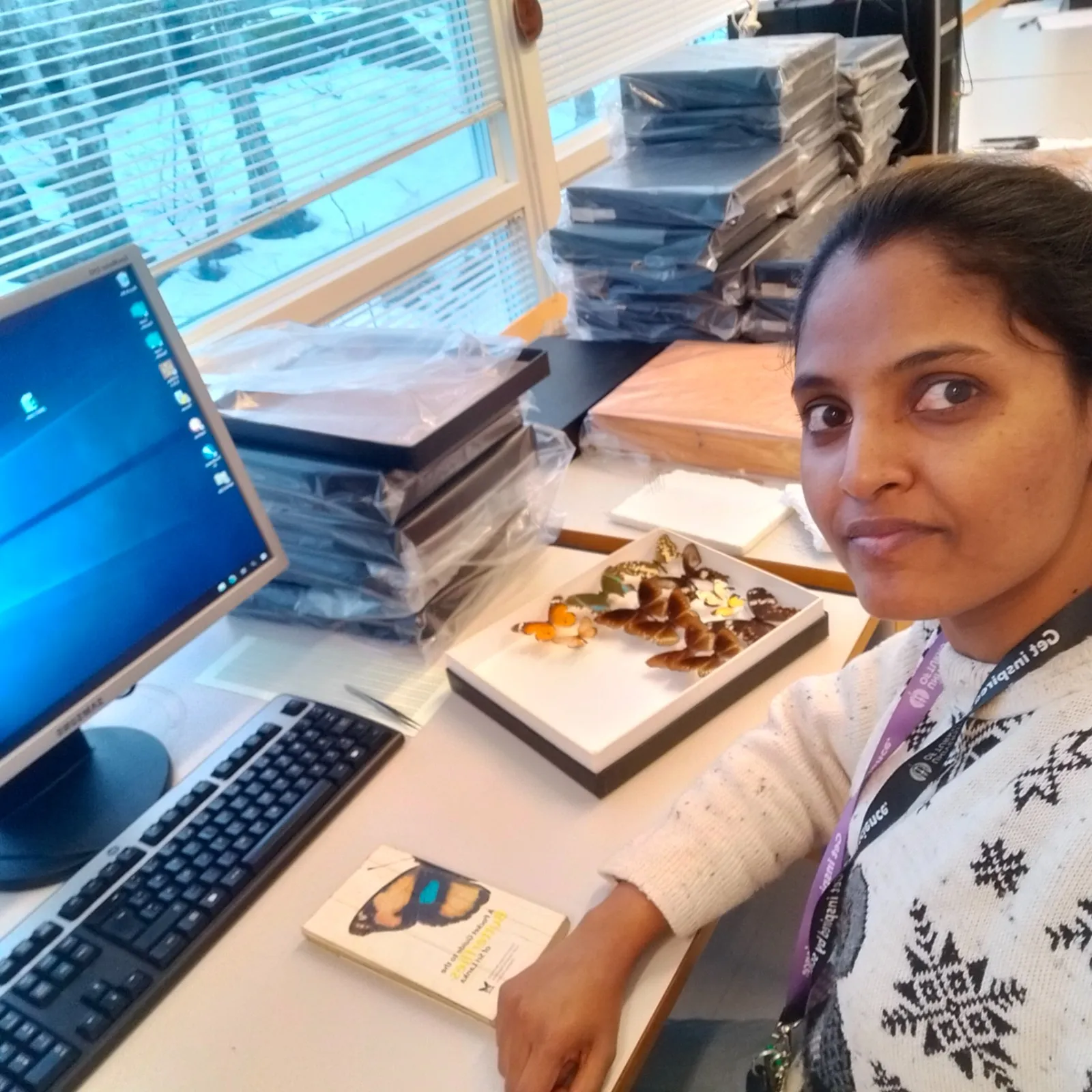
It is strange how a single interest, followed long enough, can lead you across continents and years without you ever really planning it. My own path started with the Young Zoologists’ Association in Sri Lanka and, more than a decade later, led me to a quiet collection room in Turku, Finland, holding butterflies that had been resting in drawers since 1972. Looking back, I see it was never really two separate stories. It was one thread, just a very long one.
Where it began: bones, brushes, and the Young Zoologists’ Association
In 2010, the National Zoological Gardens in Sri Lanka began building a zoological museum. As a member of the Young Zoologists’ Association (YZA), I was given a chance to work alongside our instructors and the museum’s technicians as the exhibits took shape, learning far beyond anything school or university itself could offer.
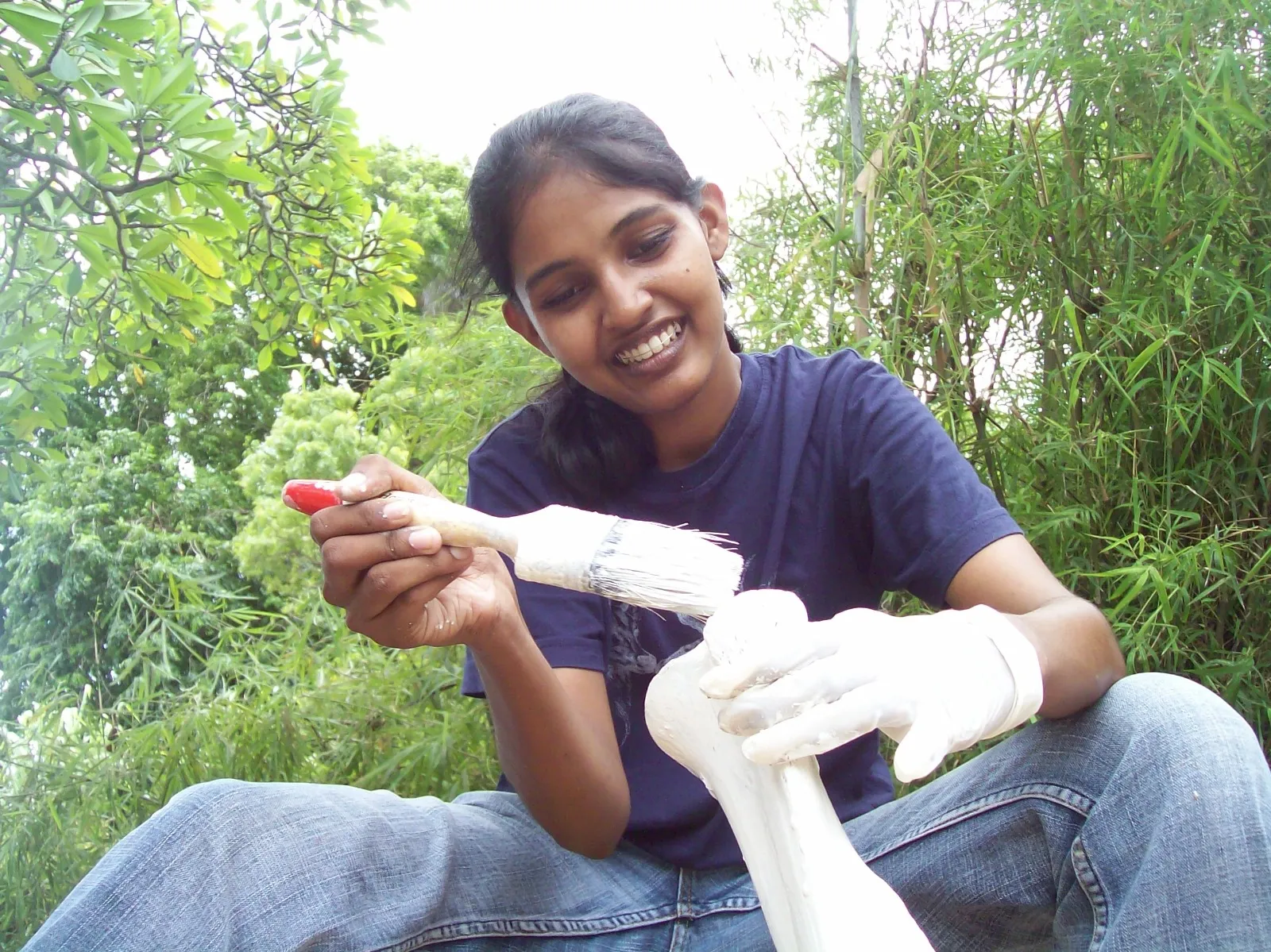
Degreasing and cleaning bone by hand — hours of it, and worth every minute.
The task was not glamorous, but it was unforgettable. We took animal skeletons out from the burial site, cleaned them carefully, and prepared them to become museum exhibits. We spent hours removing dirt, degreasing bone, and learning, almost by accident, how much a skeleton can tell you about how an animal moved or survived. Somewhere between the cleaning brushes and the specimen trays, I learned more about animal diversity and comparative anatomy than any textbook could.
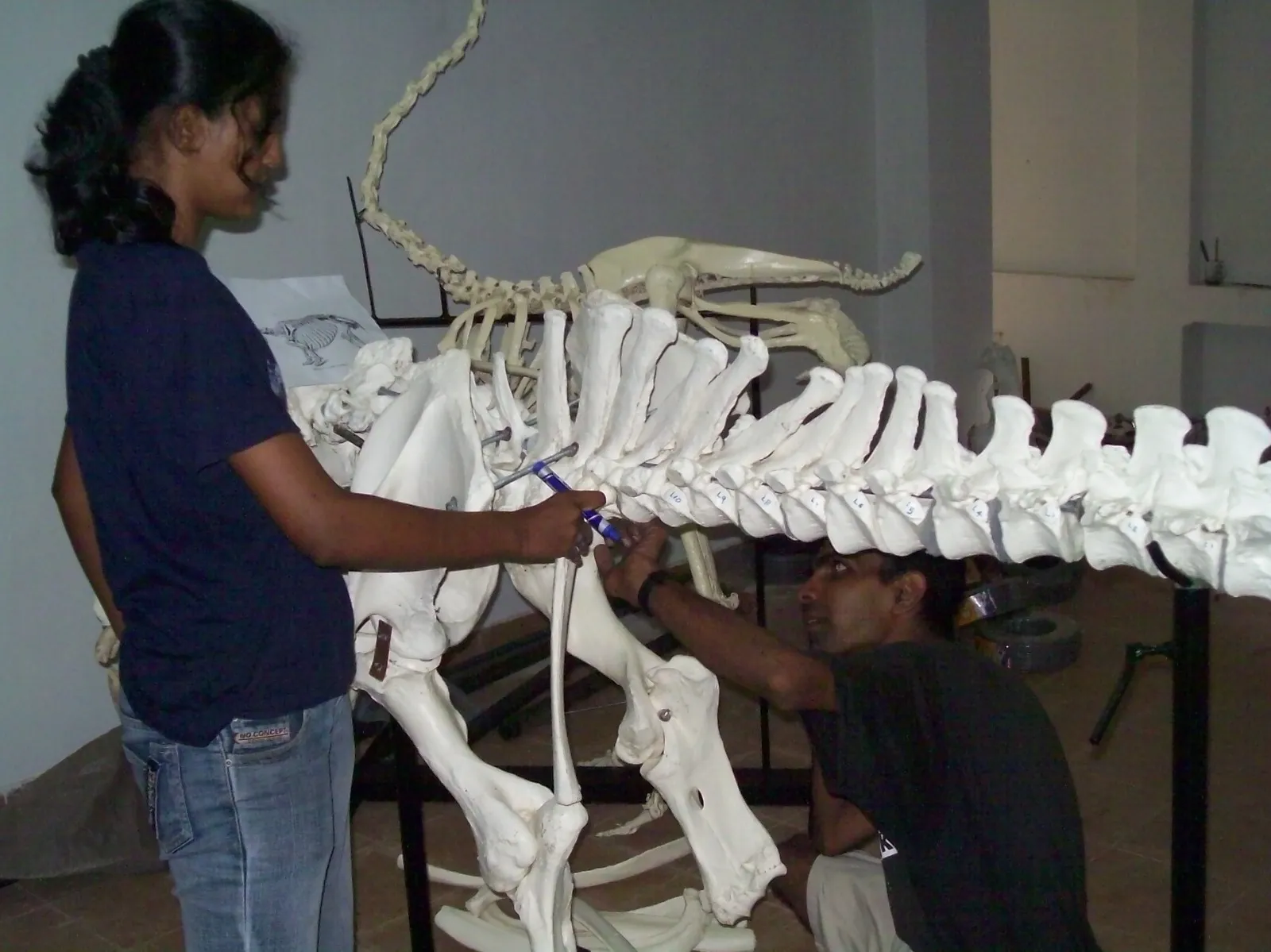
Rebuilding a mounted skeleton, one labelled vertebra at a time.
By 2013, the museum was complete, and YZA held its Annual Public Relations and Education Day, targeting around 1,000 schoolchildren on the museum premises. I was General Secretary of the association that year, and I remember standing up to announce the event, proud that a group of young volunteers had played a real part in creating a museum exhibit for the National Zoological Garden.
A second chance, this time in Finland
Years later, as a master’s student at the University of Turku in 2023, museum work found me again. As part of my master’s project in biology, I had the chance to work in a natural history museum, this time on the other side of the world from where it all began.
The museum is based at the University of Turku but holds a joint collection built up over decades by both the University of Turku and Åbo Akademi. When I signed up, I had no particular expectations beyond gaining experience with museum specimens. What I found instead genuinely surprised me: tucked among the drawers was a collection of Sri Lankan butterflies, collected in 1972 mostly by two Finnish researchers, H. Hippa and M. Saaristo, from Matale, Kandy, Gampaha, Badulla, and Hambantota.
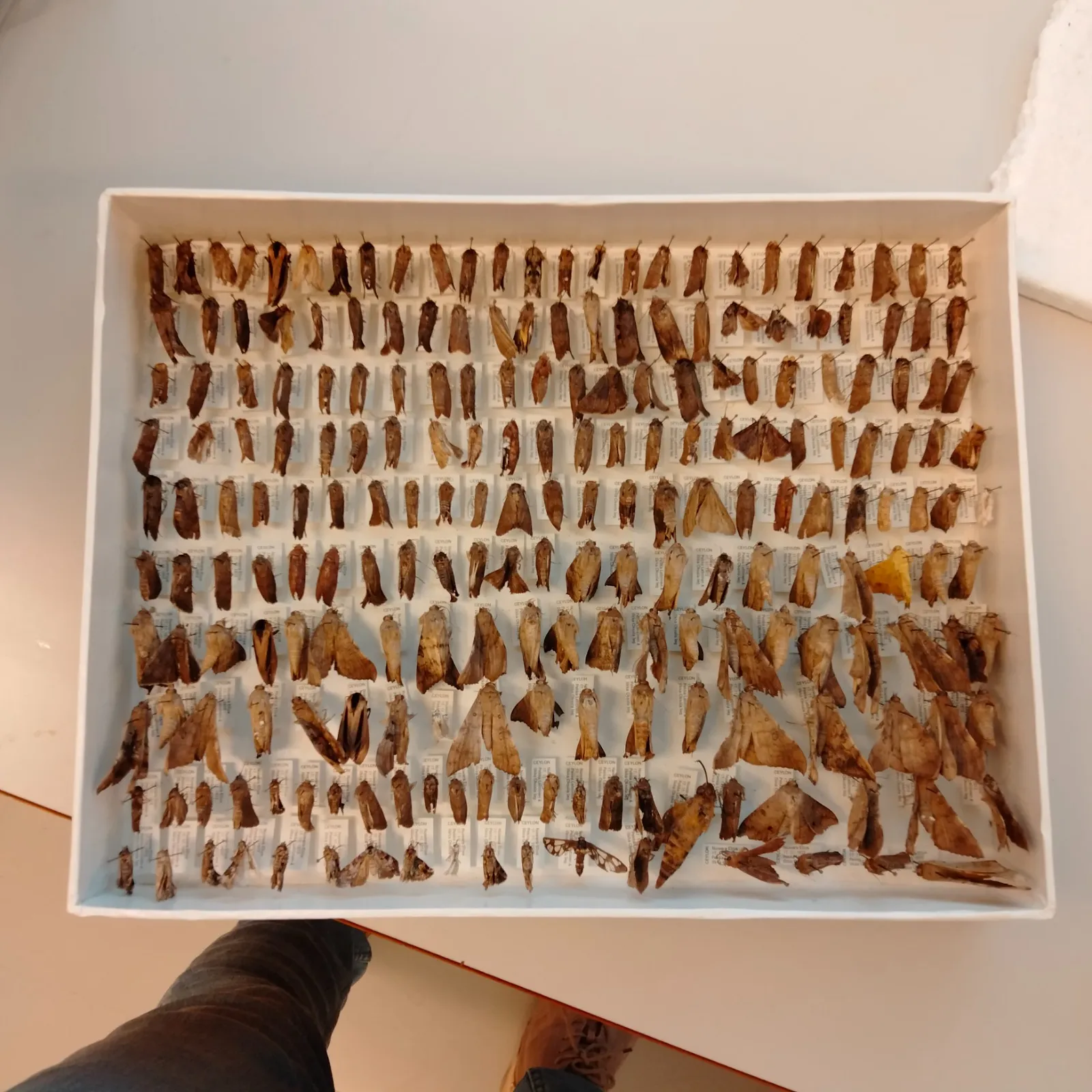
One box of the 1972 material — every specimen still sitting above its original “Ceylon” label.
The specimens had survived more than fifty years in remarkably good condition. My task was to identify each butterfly, enter its data into the museum’s records, and take multilayer, focus-stacked photographs so the specimens could be preserved digitally for researchers who may never see the physical collection.
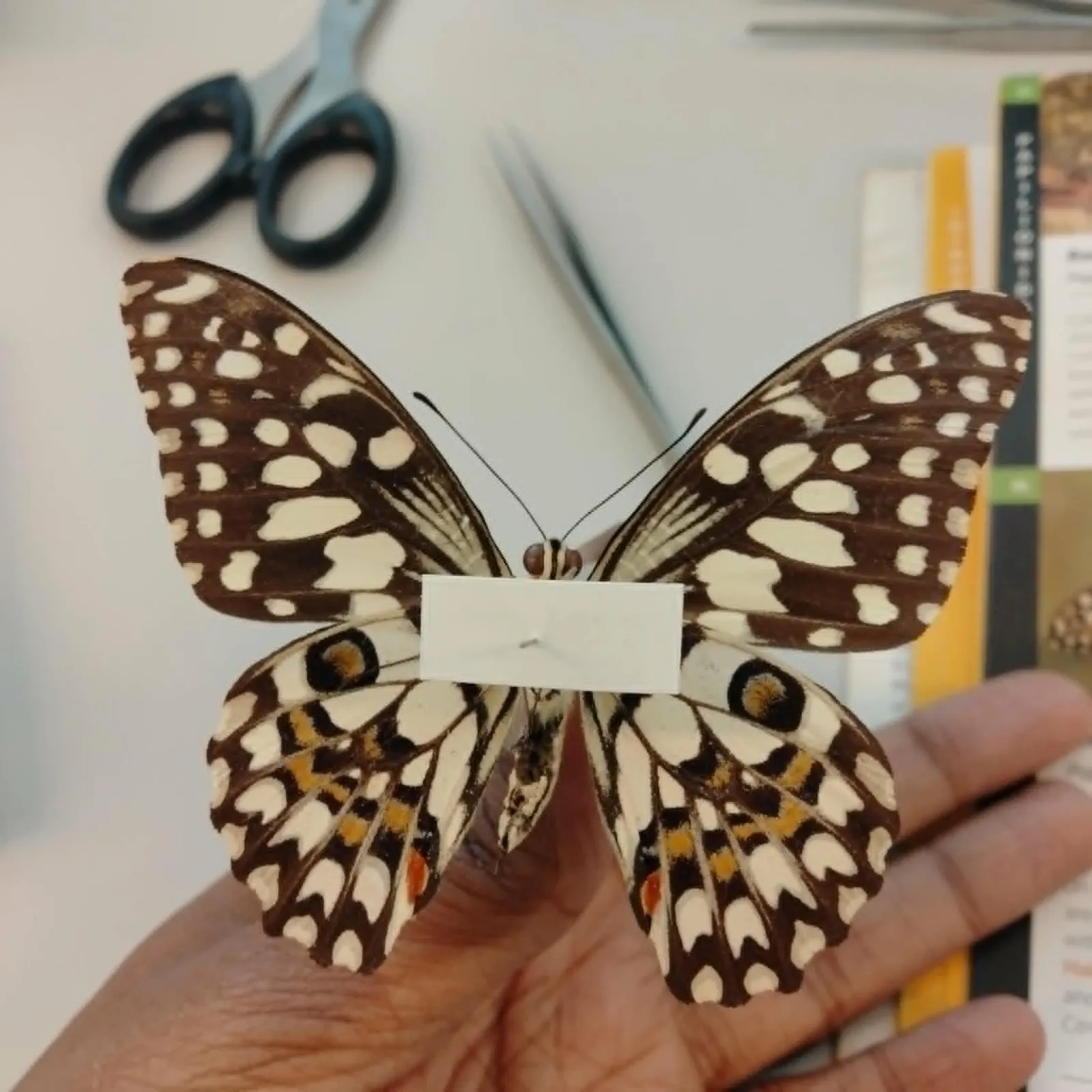
Each butterfly identified by hand before it was photographed and catalogued.
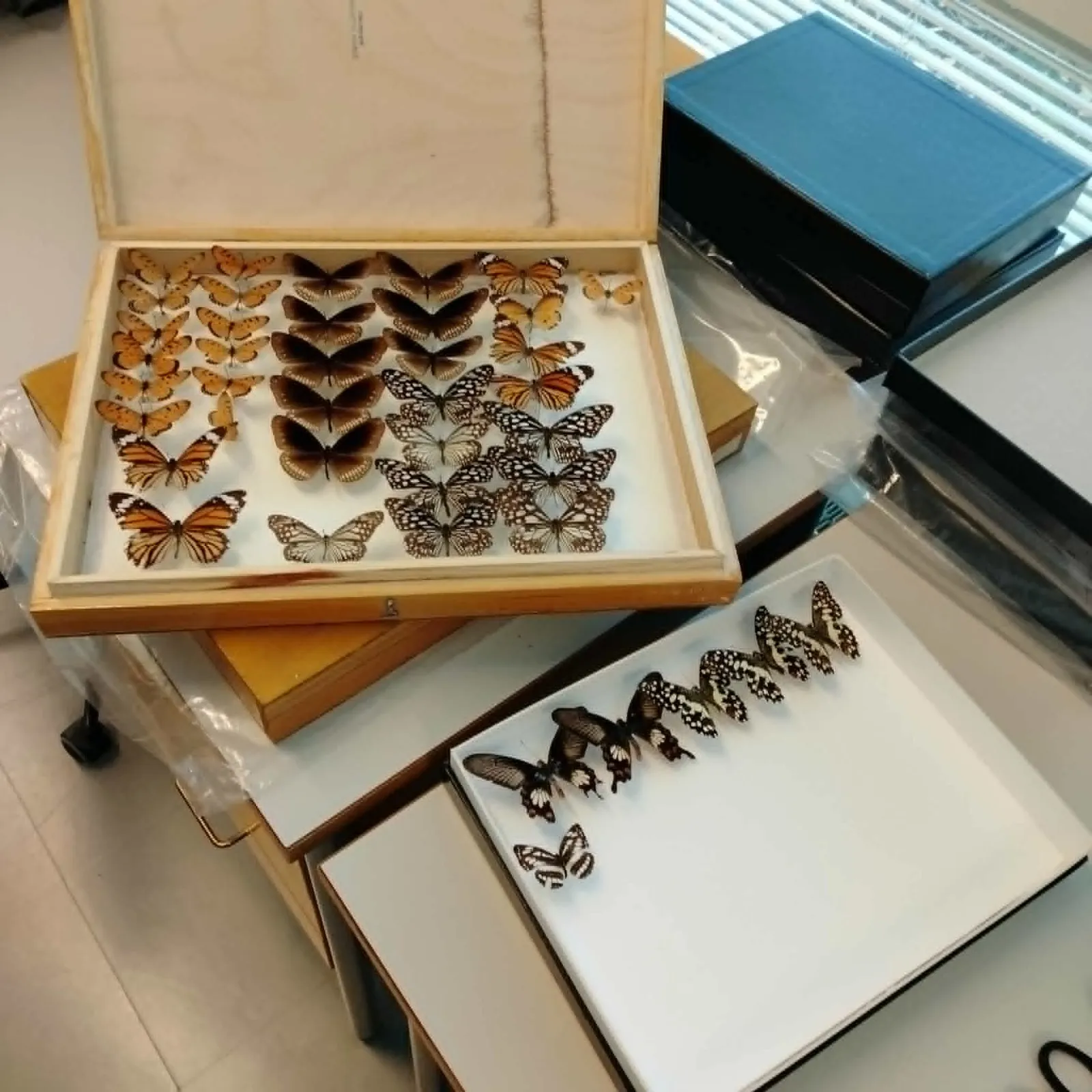
More Boxes. There was something quietly moving about documenting insects from my own home districts.
There was something quietly moving about documenting insects from my own home districts, collected long before I was born, by people from a country I now happened to be studying in.
A thread that runs deeper than I realised
It was only while working through that collection that I understood something I had never thought about before: Finland’s interest in Sri Lanka’s natural heritage has a long history. It stretches back at least to 1972, carried by researchers who travelled to Matale, Kandy, and Hambantota.
In a way, my own story sits neatly inside that older one. In 2011, as a YZA member, I helped clean skeletons so a new generation could learn from them. Years later in Finland, I helped preserve the digital record of butterflies so an older generation’s work would not be lost. Different animals, different countries, the same instinct: to preserve what nature has left behind so someone else, someday, can learn from it.
I did not choose either museum; both opportunities simply appeared at the right time, and I said yes. But I am glad I did, because they turned out to be two ends of the same thread — one that connects a zoological garden in Sri Lanka to a quiet collection room in Turku, and reminds me that natural history has a way of linking places and people who never expected to be linked at all.